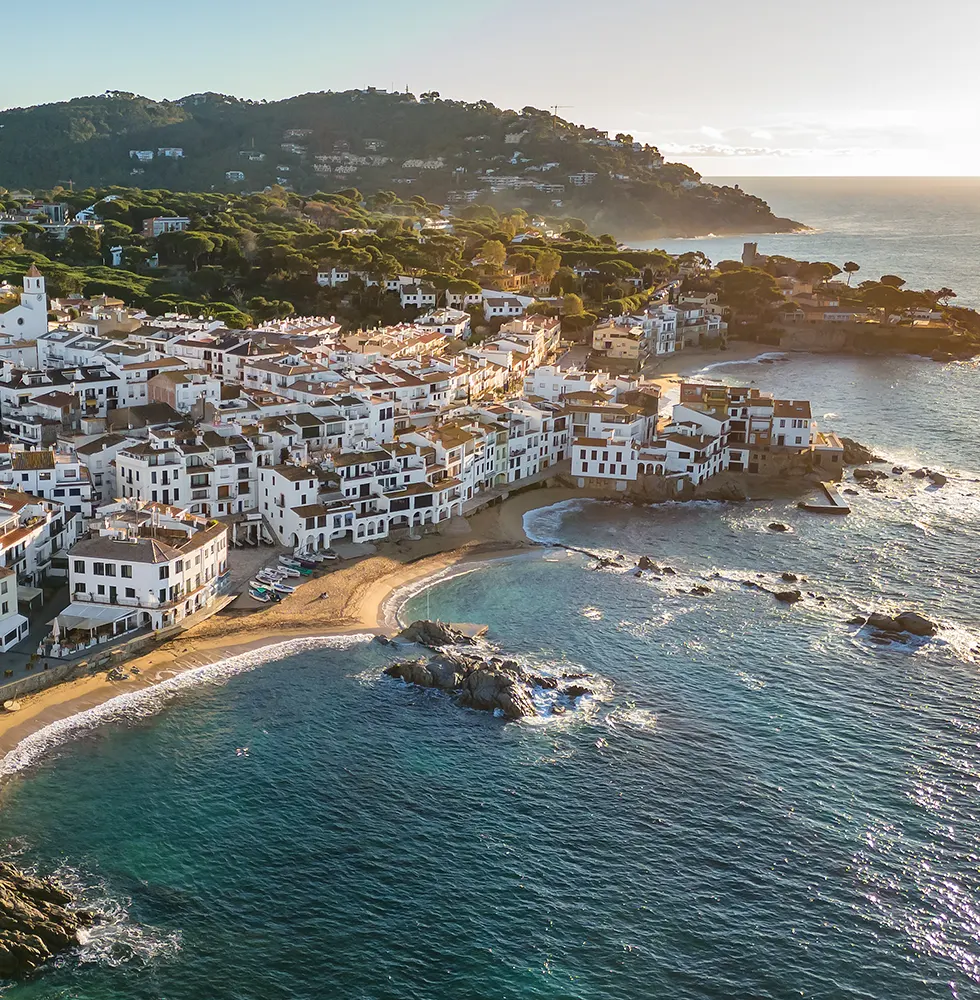
Geographic diversity
The diverse regions of the country
Journeying from the northern coastal beaches to the towering southern mountains reveals striking contrasts. Forested valleys give way to bustling metropolitan centers.
Along the Rhine river, steep vineyards border quiet villages, creating a distinct visual atmosphere away from industrial zones. Eastern territories feature dense woodlands and serene lake districts that stretch toward the Polish border. In the west, densely populated areas reflect intense economic activity and modern infrastructure. Southern landscapes are dominated by vast alpine ranges, providing natural borders and high-altitude environments. Coastal northern plains face the bracing winds of the North Sea, shaping a maritime environment heavily reliant on port activities.
The essence of Germany
A country shaped by history, culture and tradition
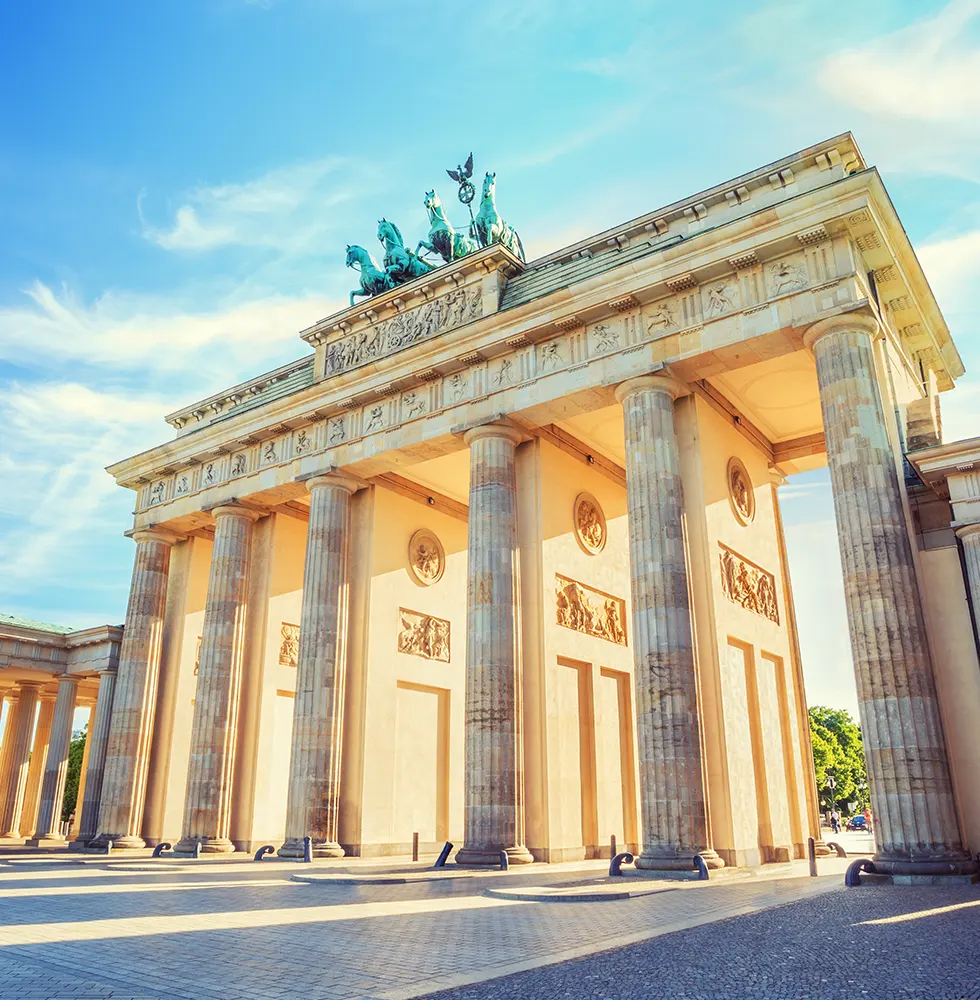
Germany has a deep cultural and historical heritage shaped by centuries of political change, social transformation, artistic movements and philosophical thought. Its past, marked by both challenges and periods of innovation, has strongly influenced its identity and continues to shape modern society today.
From medieval castles, ancient towns and Gothic cathedrals to modern architecture and contemporary urban landscapes, the country offers a fascinating journey through time. Each region reflects its own historical background, creating a rich mosaic of local identities within a unified national culture.
Active pursuits
Outdoor activities and engaging nature trails
Extensive path networks cross national parks, allowing hikers to observe native wildlife. Thermal resorts offer therapeutic soaking pools heated by geothermal energy.
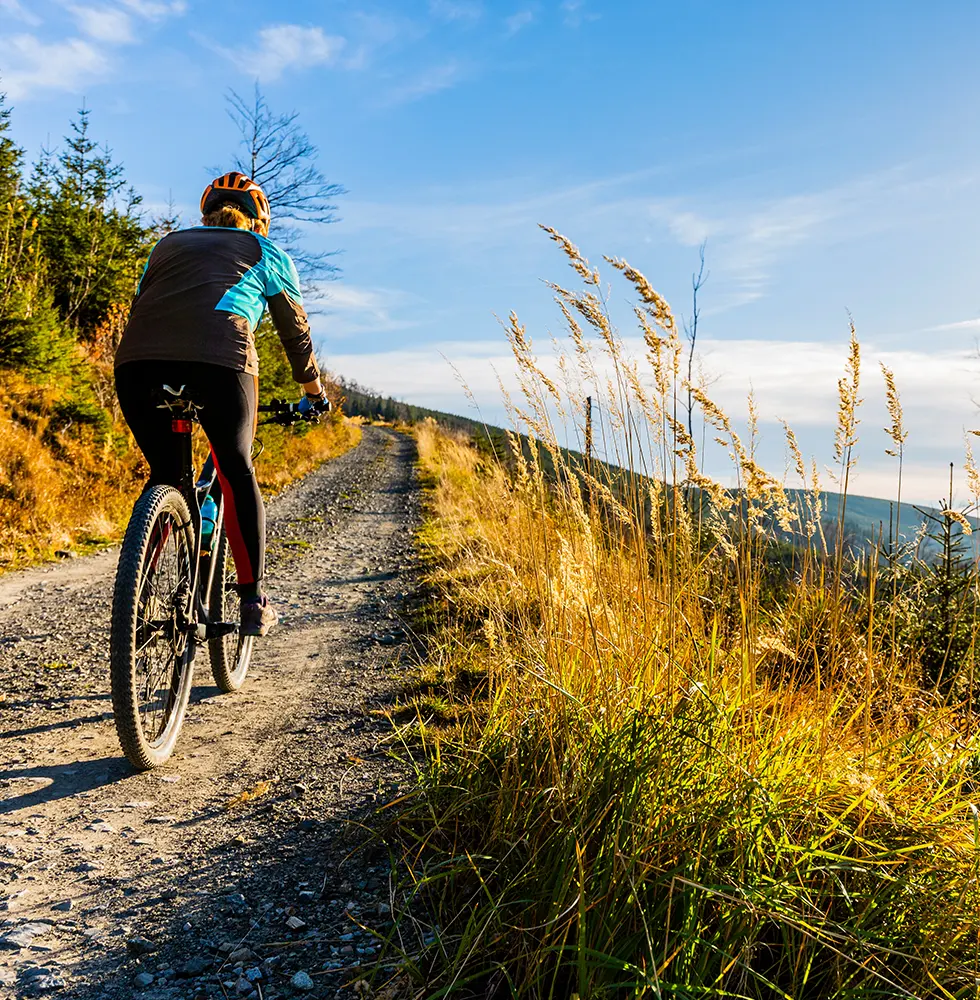
Cycling through river valleys
Paved routes follow major waterways, providing flat terrain for long-distance riders. Rest stops frequently feature mechanical repair stations and fresh water fountains.
Winter sports in altitudes
Snow-covered slopes feature extensively groomed runs for downhill skiing. Cross-country tracks weave through frozen pine forests, requiring stamina and specialized gliding equipment.
Transit networks
Navigating through advanced public transportation systems
Moving between distant provinces relies heavily on an integrated grid of high-speed rail lines, municipal tramways, and well-maintained automotive highway corridors seamlessly.
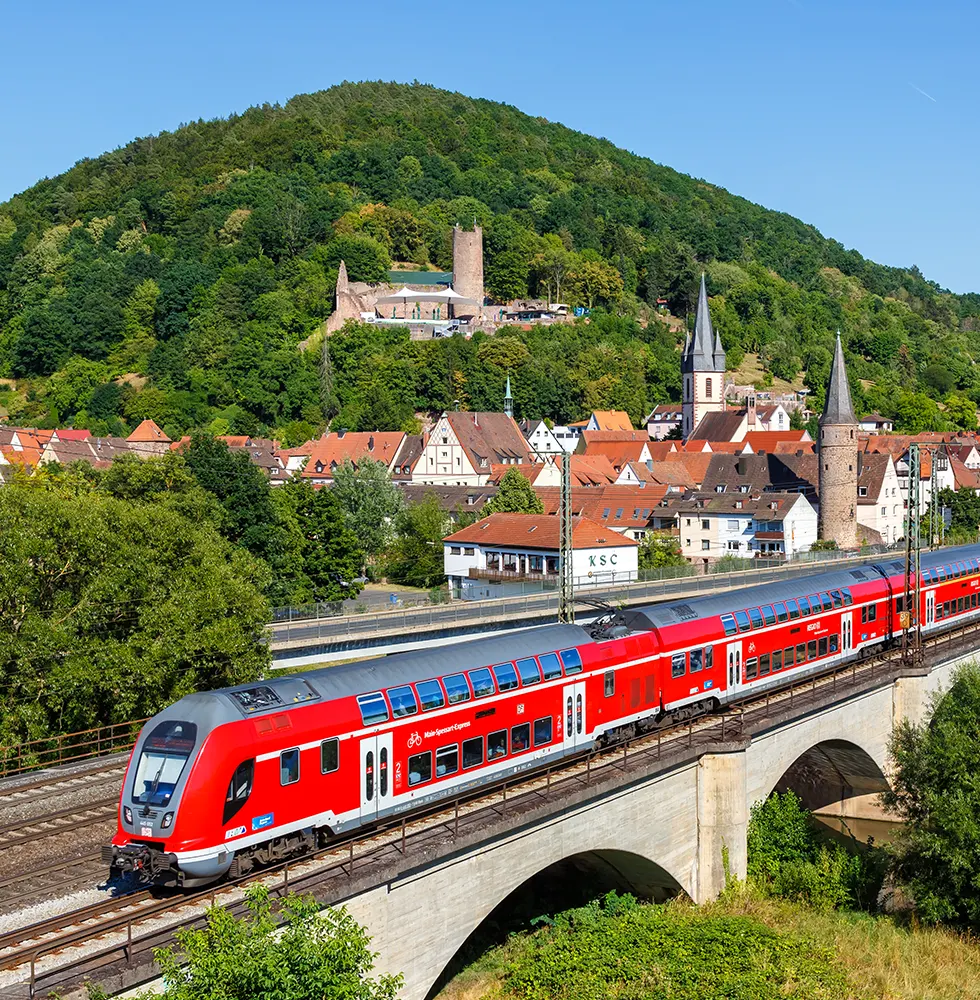
Intercity express train routes system
Sleek electric locomotives connect major metropolitan hubs within hours, featuring designated quiet zones, dining cars, and panoramic windows for observing the countryside.
Urban bicycle lane infrastructure
City planners prioritize non-motorized movement by installing dedicated cycling pathways, complete with separate traffic signals, ensuring safe commutes alongside heavy vehicular traffic.
Options for overnight stays and lodging
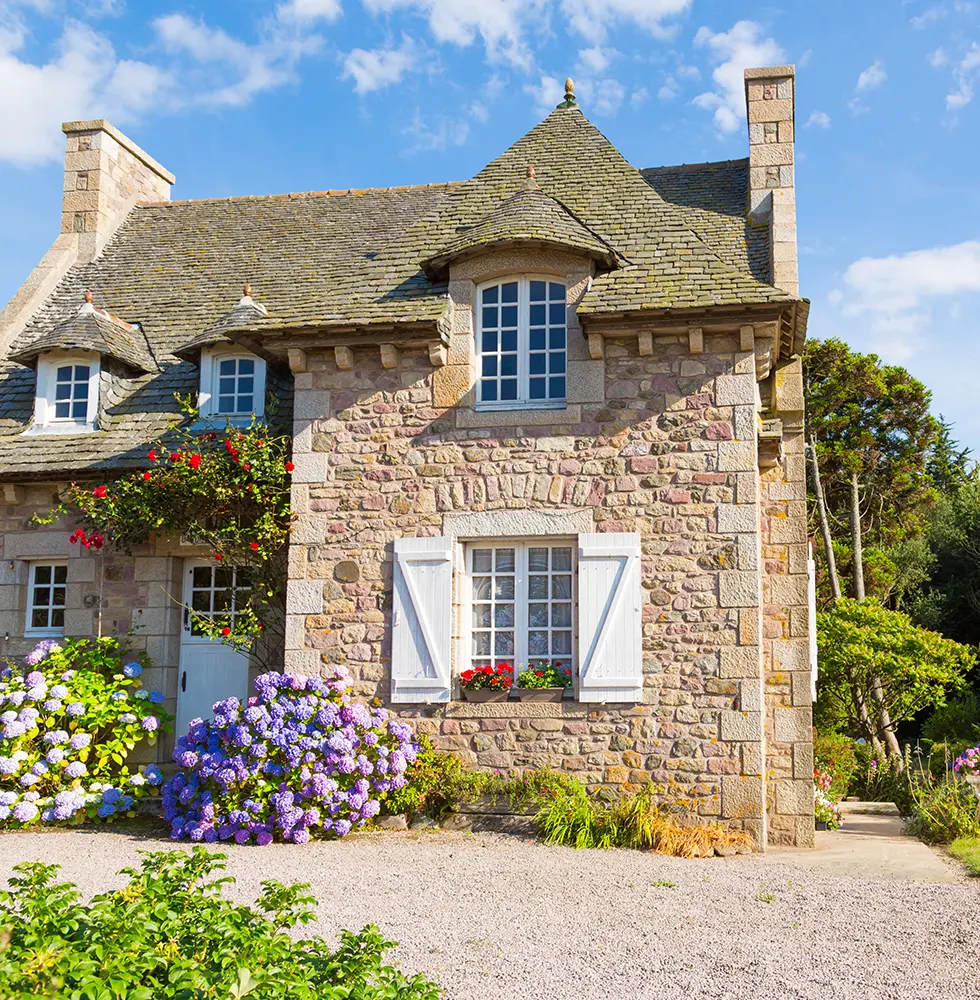
Rural guesthouses feature timber-framed facades and serve homemade morning meals in communal dining rooms. Urban centers offer sleek, energy-efficient high-rises equipped with automated climate control systems. Renovated agricultural barns provide a rustic atmosphere with modern insulation and plumbing. Riverside campsites include reinforced platforms for motorized caravans and access to heated sanitary blocks. Mountain huts function as communal shelters, requiring advance booking during peak climbing seasons. Each lodging type adapts strictly to its surrounding geographic environment and local zoning laws.